Our shields need toughening
A ‘notice of disposal freeze’ issued to the ABC and the SBS in February, ordering no destruction of any records that may be needed to inform the Royal Commission on Antisemitism and Social Cohesion, has raised some concerns over the protection of confidential sources.
The disposal freeze is not unprecedented, and there have not yet been any orders to turn over records for this royal commission, but the situation brings to mind the lack of protections covering journalists and confidential sources in Australia.
The Swiss cheese-like consistency of Australia’s shield laws leaves public interest journalism vulnerable to attack.
States and territories follow in the tracks of the Evidence Act 1995 at their own leisurely pace (in 2022, Queensland became the last state to introduce some form of shield law). They also have their own exceptions – one of the most impactful being the wide-spread lack of protection against search warrants, leaving journalists and news publishers wide open to raids (just ask the ABC and News Corp).
A 2020 parliamentary inquiry recommended the government “promote consideration of harmonisation of State and Territory shield laws”. No progress appears to have been made since, either under the then-Scott Morrison-led government or under the current Anthony Albanese leadership, despite the latter’s previous vocal support of press freedom.
There might not currently be a major case pushing this issue into the headlines. But it is only a matter of time, and the country should not wait until a journalist’s commitment to their confidential source is trampled again to demand change.
PIJI is an independent advocacy organisation. We appreciate your support. Please consider forwarding this newsletter to someone interested in the sustainability of public interest journalism and its importance to the survival of democracy.
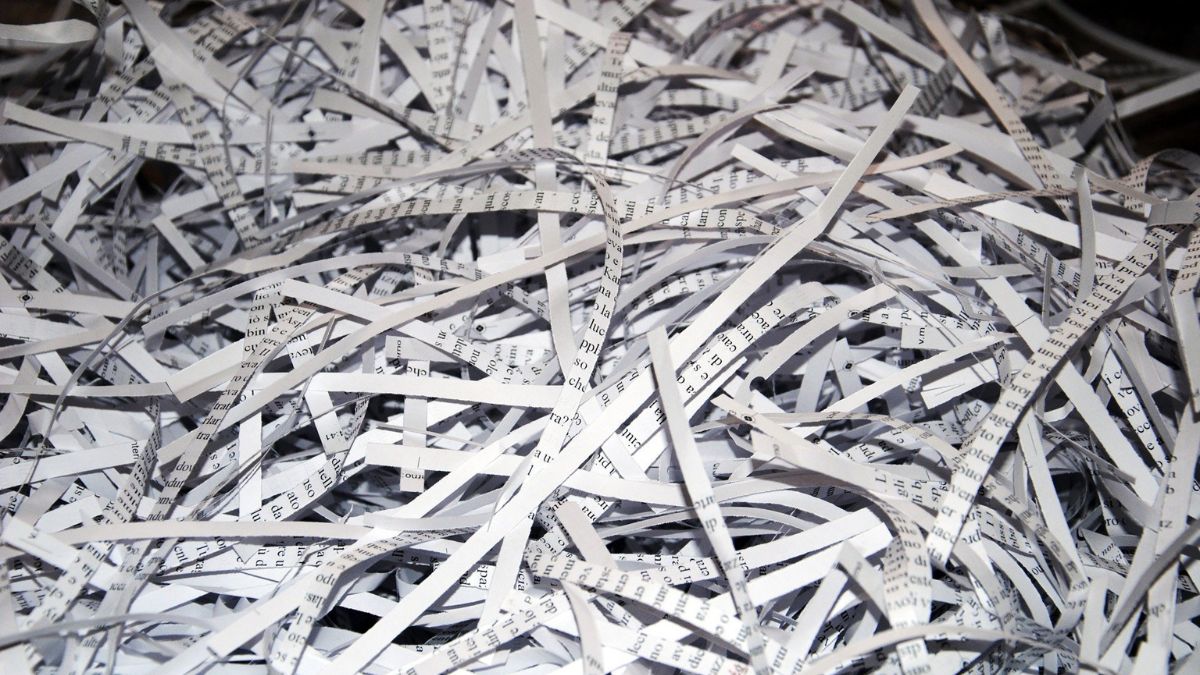
‘Freeze’: ABC and SBS journalists put on notice for royal commission
Australia’s public broadcasters have been ordered not to destroy any records that may be needed to inform the Royal Commission on Antisemitism and Social Cohesion, raising concerns over the protection of confidential sources.
‘Hitting your head against a brick wall’: Why Open Politics is bringing MPs’ dodgy dealings to light
Sean Johnson left behind a career of policy advising and lobbying to shed light on the private interests that could impact the decisions of Australia’s federal MPs.
ICYMI: Industry updates
Australia
- Major policy and politics publisher Politico announced an expansion to Australia, with a new Canberra Playbook set to launch when Australian parliament returns from its winter recess in the third quarter of 2026.
Australian journalist Ryan Heath has been named Politico Australia’s launch editor, having previously launched the publisher’s Brussels Playbook in 2015. - The Australian Press Council ruled against The Australian over a series of articles about former ACT prosecutor Shane Drumgold, which were found to have breached four of the Council’s General Principles.
The Australian subsequently labelled the Council a “kangaroo court”, a term which the Council rejected. - ABC staff are set to vote on potential strike action after turning down a deal that the MEAA said included cuts to job security, no improvements to stagnant pay band progression and a pay offer below inflation.
- An offer of a one-time $1,500 payment instead of a real-terms pay increase from the SBS was criticised by staff and union representatives amid enterprise bargaining agreement negotiations.
- Applications for Walkley Grants for Freelance Journalism, worth between $2,500 to $10,000, close on March 23, 2026. These grants focus on public interest projects or stories, with individual journalists or small teams of freelancers eligible.
Applications are also open for the Sean Dorney Grant for Pacific Journalism, which provides $10,000 to a journalist to produce significant content in any medium profiling issues in the Pacific region. The application deadline is April 13, 2026. - The Tasmanian Media Awards are open for entries and peer nominations for work published, broadcast or televised in 2025 by Tasmanian media professionals. The deadline is March 17, 2026.
Around the World
- The Washington Post laid off 30 per cent of its staff, including hundreds of journalists in the US and around the world. The Post had reportedly seen US$100 million losses in 2025 and 2024, up from a US$77 million loss in 2023.
In a call to employees, executive editor Matt Murray reportedly said the company had lost too much money for too long and had not been meeting readers’ needs; he also cited shifts in the news ecosystem, from those who “generate impact at low cost” to AI-generated content.
Billionaire owner Jeff Bezos spent the last few years making changes to the editorial direction of the Post. These included narrowing the focus of the opinion section to support and defence of ‘personal liberties and free markets’, and breaking a decades-old tradition of endorsing a US presidential candidate ahead of the 2024 election – a decision which reportedly led to more than 250,000 subscription cancellations. - Several CBS Evening News staffers accepted buyouts after new CBS editor-in-chief Bari Weiss outlined plans to overhaul the organisation.
Two departing producers pointed towards pressure to “conform to a shifting set of ideological expectations” and to aim reporting “at a particular part of the political spectrum” as contributing factors towards their decision to leave. - Most of the 129 journalists and media workers killed in conflicts last year were killed by Israel, a Committee to Protect Journalists (CPJ) report found.
The report found more journalists and media workers were killed in 2025 than in any other year since the CPJ began collecting data, and Israel Defence Forces had committed more targeted killings of journalists in 2025 than any other government’s military since CPJ began documentation in 1992.
The number of journalists and media workers killed in Ukraine and Sudan also increased in 2025 compared to the previous year, to four and nine deaths, respectively - Major UK news publishers, including the Guardian, the BBC, Financial Times, Sky News and Telegraph Media Group, teamed up to form the Standards for Publisher Usage Rights coalition (SPUR).
SPUR’s mission is to establish shared technical standards and responsible licensing frameworks that ensure AI developers can access journalism in legitimate, responsible and convenient ways, while guaranteeing publishers retain practical control of their content and receive fair value when it is used. - Pro-democracy media tycoon Jimmy Lai had his fraud conviction overturned by a Hong Kong court – but he is still set to serve a 20-year prison sentence for violations of the city’s national security law.
Lai, a 78-year-old British citizen, founded Apple Daily, a local tabloid that became Hong Kong’s largest pro-democracy paper. It shuttered following the 2020 arrest of Lai and other key staff.
UK foreign secretary Yvette Cooper labelled Lai’s sentence “politically motivated prosecution” and called for his release on humanitarian grounds. - In Namibia, journalist Jemima Beukes was reportedly forced out of the capital’s State House after questioning the influence of President Netumbo Nandi-Ndaitwah’s family over the country’s oil industry.
Security officials reportedly confiscated a colleague’s phone that had recorded the interaction, photographed Beukes’ vehicle and issued threats of arrest, sparking rebukes and concern over Beukes’ safety from the International Federation of Journalists and the Federation of African Journalists.
Namibia is historically one of Africa’s best-ranked countries in Reporters Without Borders’ World Press Freedom Index.
Have something to share? Submit content for review to info@piji.com.au