US media stood united under attack. Should Australia follow?
US President Donald Trump raised the stakes of his contentious relationship with the media when he abruptly banned CNN, MS Now and Politico from the White House over what he alleged was “fiction” and “lies” in their reporting.
In response, ABC, CBS, Fox News and NBC suspended their White House press pool coverage, effectively muting the president during official White House engagements until he launched his own ‘Trump TV’.
In Australia, lack of similar action from news organisations may have emboldened One Nation and its leader Pauline Hanson to continue banning their media colleagues, University of Melbourne Centre for Advancing Journalism senior research fellow Denis Muller tells PIJI.
“It’s still the matter of principle that politicians do not get to pick and choose who will cover them and how they’ll be covered,” he says.
“It very much goes to the credit of all of [the boycotting US outlets] that they … put the principle ahead of profit … and said ‘One out, all out.’”
If certain journalists are barred from attending a political event, all others should walk out – but that decision should come from organisations’ leadership rather than individual journalists, University of Technology Sydney Centre for Media Transition co-director Monica Attard says.
“Australians deserve to be exposed to critical analysis and engagement with the parties and the politicians they’re expected to vote on.”
Read more in the full story below.
PIJI is an independent advocacy organisation. We appreciate your support.
Please consider forwarding this newsletter to someone interested in the sustainability of public interest journalism and its importance to the survival of democracy.
US media stood united under attack: Should Australia follow?
Major US news organisations took a stand when their rivals came under political attack. Similar action from Australian media is long overdue, experts say.
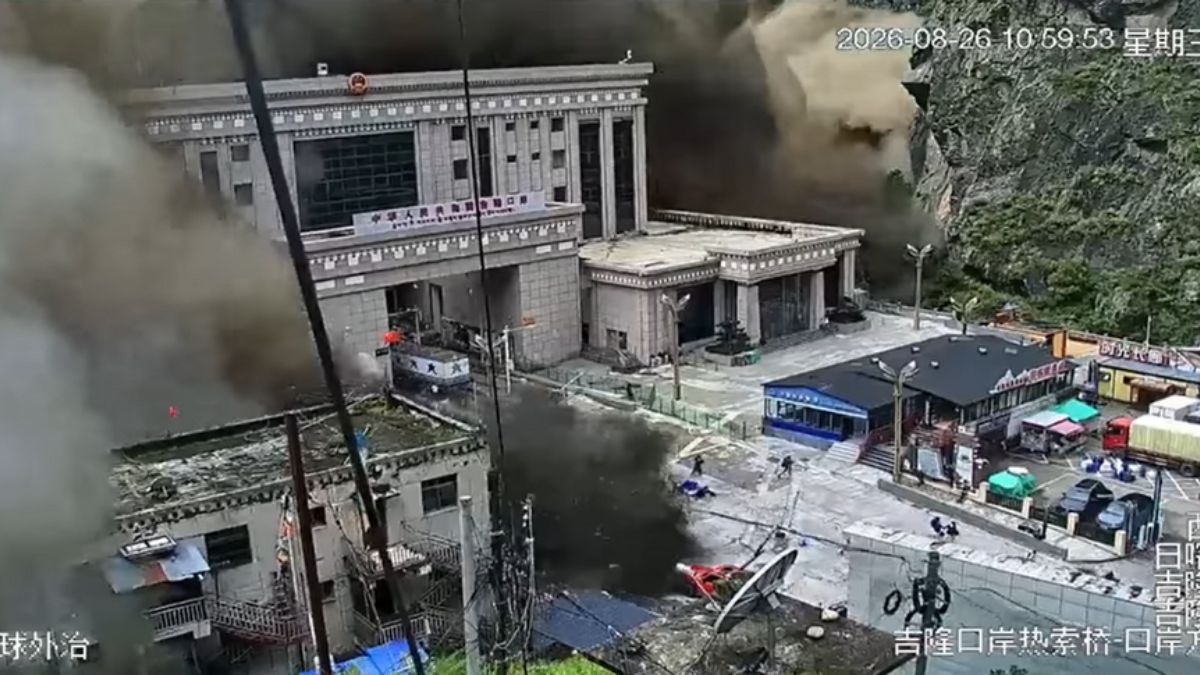
Navigating mountains, despair and politics: Reporting on the Nepal-Tibet floods
ABC journalists Rachel Clayton and Allyson Horn recall working through physical, political and moral challenges to cover the devastation of the Nepal-Tibet floods.
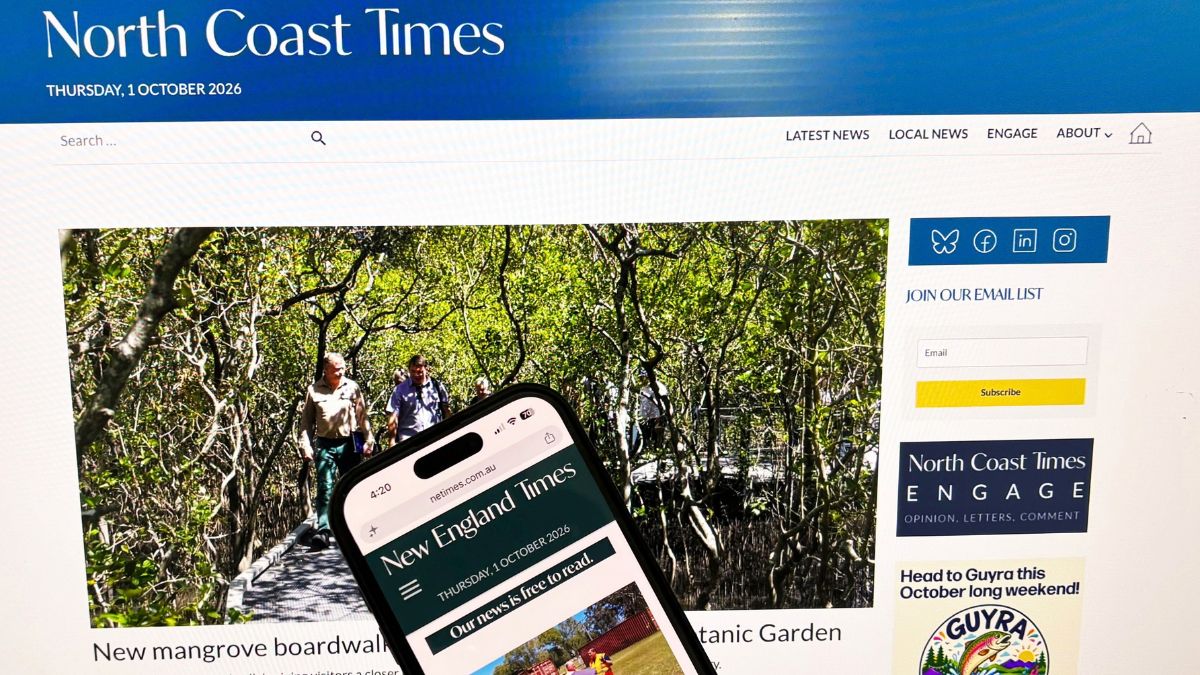
From hater to convert: How adopting AI saved a regional news publisher
For a long time, news publisher Raphaella Kathryn Crosby identified as the “most anti-AI person”. The impact of a fuel crunch sparked by the US-Israel war with Iran dramatically changed her perspective.Research callouts
ICYMI: Industry updates
Australia
- One Nation continued to restrict access to its events for the ABC and the Guardian, telling journalists from the organisations to leave a Melbourne press conference.
The party is also accused of blocking regional journalists from getting to know local party candidates. - One Nation national director James Ashby described the party’s relationship with the ABC as “like going back to some domestic violence relationship and just getting beaten every time they come through the door.”
Ashby’s response came after he was questioned on Nine’s Today show about the contrast of One Nation’s vocal support of free speech and its ban of select media outlets.
His comments followed an earlier claim by One Nation leader Pauline Hanson that high rates of domestic violence reports were keeping police from “dealing with real crime”. - News Corp publication the Herald Sun has expanded its use of AI in local coverage to full news stories, Nine Entertainment outlets reported. Media Watch reported factual errors in Herald Sun stories created with the assistance of AI.
In 2023, News Corp Australia executive chair Michael Miller revealed the organisation was using generative AI to produce 3,000 articles a week on local stories around weather, fuel prices and traffic conditions. The organisation launched NewsGPT in 2025, an AI platform designed to assist in drafting stories, summarising information and aligning with editorial guidelines. - SBS launched a five-part podcast, How Australia Works, explaining Australian democracy for migrants “to strengthen their sense of belonging and participation in civic life.
Each 20-minute English episode has been adapted into six five-minute episodes in more than 60 languages. - The ABC ombudsman’s annual report revealed content complaints surged 107 per cent to 8,686 during the 2025-26 financial year. Of those complaints, 61 per cent resulted from 48 organised campaigns, and 53 per cent related to war in the Middle East.
The most complained about categories were bias, inaccuracy, offensive content and unfair treatment. Only 14 stories were found to have breached editorial standards. - An MEAA survey of 500 freelancers found 61 per cent had over 20 years’ experience freelancing in the journalism industry, with most respondents having worked for major Australian outlets such as the ABC, News Corp, Nine Entertainment, Seven West Media and SBS.
Despite their experience, 67 per cent of freelancers earned less than $40,000 from the industry over the past 12 months, and 37 per cent earned less than $10,000. Only four per cent of respondents said their rates had kept up with the cost of living, and 81 per cent did work without payment of superannuation in the last year.
Many freelancers said a ‘lack of floor for payment and conditions’ forced them to spend less time on research, fact-checking and quality control.
Around the World
- The BBC started a redundancy process in its TV and streaming division as part if its plan to save £500 million and scrap up to 2,000 jobs.
The public broadcaster’s linear TV and radio services are expected to be the most affected by cutbacks. - A UK government proposal to force digital platforms to give more prominence to established media outlets to counter misinformation has come under fire from parts of the media industry and the US government.
The UK’s News Media Association warned the move could transfer visibility and revenue from commercial publishers to public broadcasters, and questioned how local news would be promoted under the proposed prominence rules without “intrusive tracking” of users.
The US government warned the intervention could undermine independent journalists and amount to “extraterritorial censorship of protected speech by Americans online”. - US President Donald Trump’s decision to ban CNN, MS Now and Politico sparked concern over press freedom and a boycott of the White House press pool by fellow major broadcasters in solidarity.
A federal judge issued a temporary order for the White House to reinstate the barred outlets, which is set to expire around 8 October.
The Trump administration continues to fight to reinstate the ban, arguing access to the White House is a privilege and that the reporting of classified and sensitive information by the selected outlets poses national security risks. When initially announcing the ban, Trump claimed the decision had been made due to “fiction” and “lies” in the outlets’ reporting. - Maltese tycoon Yorgen Fenech was acquitted of orchestrating the 2017 murder of investigative journalist Daphne Caruana Galizia.
Galizia, who was known for her work on corruption and organised crime, was allegedly investigating Fenech before she was killed by a car bomb.
Five men are currently serving prison sentences for their involvement in Galizia’s murder, and one man is under police protection after giving evidence in exchange for a pardon. In 2019, then-Maltese Prime Minister Joseph Muscat announced his resignation amid concerns about political interference in the police investigation of the murder. - Peruvian journalist and regional political candidate Susy Aponte Polo was fatally shot while speaking with reporters.
Aponte Polo ran the digital outlet China Polo Dominical, where she published investigations into alleged corruption inside local authority bodies. Three people have been detained over suspected involvement in the killing.
In the days before her death, Aponte Polo publicly stated that she had been warned that someone had ordered an attack on her life. Following her death, her case was initially opened as a femicide investigation before it was reclassified as a suspected contract killing. - Egyptian authorities detained six journalists from independent fact-checking and investigative platform Matsadaash, charging one with joining a terrorist group and spreading false news.
Matsadaash co-founder Abdelrahman Mansour said his colleagues were “doing what journalists should do: asking difficult questions, uncovering facts, and reporting on issues that affect people’s lives.” The whereabouts of five of the arrested journalists are currently unknown.
Dozens of journalists staged a sit-in outside the Egyptian Journalists Syndicate in Cairo demanding the release of the Matsadaash staff. The Committee to Protect Journalists demanded the immediate release of the journalists.
The arrests came soon after the US government waived its human rights conditions on US$320 million in military aid to Egypt. - Finnish national news agency STT announced it may be forced to wind down its news and photo operations, sparking concern for smaller media outlets who would struggle to find replacements for the agency’s services.
The agency could reportedly continue at a smaller scale, but current restructuring negotiations could lead to 95 job cuts.
The Ministry of Transport and Communications said earlier this year that an economic package to solve STT’s financial crisis was being prepared. - News Corp subsidiary News UK, parent company of The Times, The Sunday Times and The Sun, announced an investment in ClearDraft, an AI-driven legal clearance platform designed to scan content to identify legal risk patterns.
- Amidst a swathe of job cuts across the industry, the Guardian is reportedly pushing ahead with almost 100 new roles across its operations around the world.
These include 40 UK-based fixed-term roles centred around digital journalism and content creation training, and a planned 55 permanent roles in the UK, US and Australia across editorial, product development, analytics and commercial. - Several Canadian websites took down articles now suspected to have been AI-generated, published under an identity that they have not been able to confirm.
Action was taken after a Turkish news outlet contacted Canadian editors with questions about the writer’s identity after being approached with a story from the unverified writer.
Have something to share? Submit content for review to info@piji.com.au